
Injury & Rehabilitation
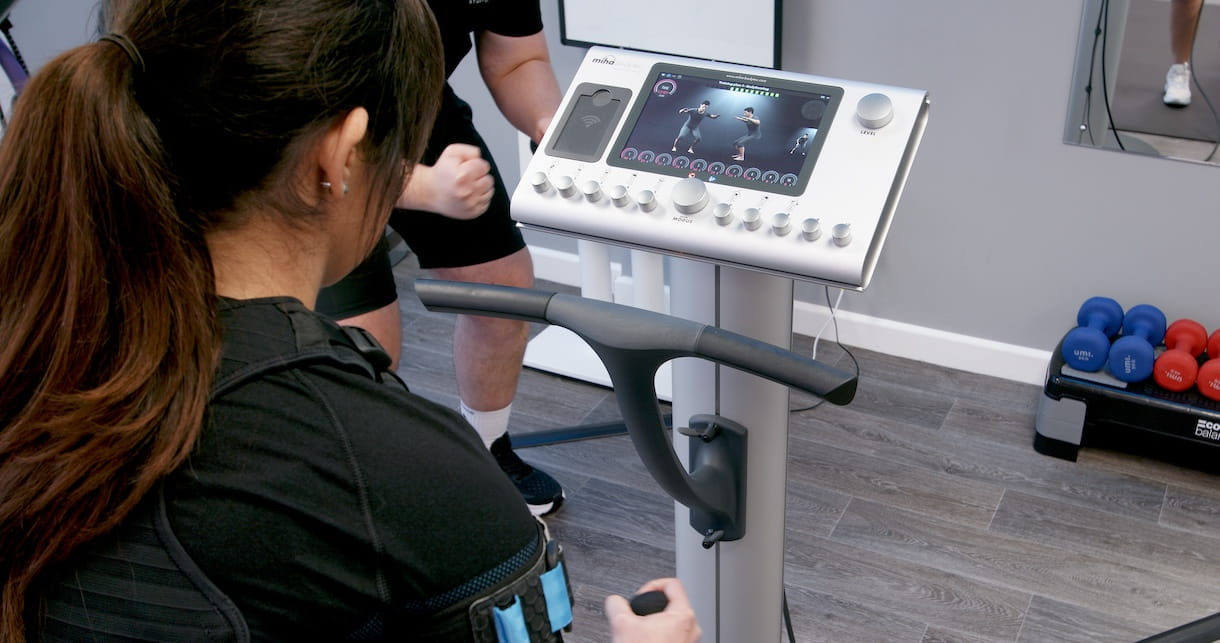
EMS for injury and rehab
EMS prevents muscle atrophy and enhances blood circulation for faster healing without putting stress on joints.
Accelerated Muscle Recovery
One of the primary benefits of EMS training for injury rehabilitation is its ability to accelerate muscle recovery. By directly stimulating the muscles, EMS helps improve blood flow to the injured area, which can enhance the delivery of oxygen and nutrients essential for healing. This increased circulation can lead to faster recovery times compared to traditional rehabilitation methods.
Targeted Muscle Activation
EMS training allows for targeted muscle activation, which is particularly beneficial for individuals recovering from specific injuries. By focusing the electrical impulses on particular muscle groups, therapists can ensure that the muscles most in need of rehabilitation receive the necessary stimulation. This targeted approach can be more effective than general exercises that might not adequately engage the injured areas.
Reduced Muscle Atrophy
Muscle atrophy, or the loss of muscle mass, is a common concern during the recovery period following an injury. EMS training can help mitigate this issue by keeping the muscles active and engaged even when the individual is unable to perform regular physical activity. This can preserve muscle mass and strength, making the transition back to normal activity smoother and more effective.
Pain Management
EMS can also play a role in pain management during the rehabilitation process. The electrical impulses can help block pain signals from reaching the brain, providing a non-invasive and drug-free method of pain relief. Additionally, the improved muscle function and strength gained through EMS training can reduce the strain on injured areas, further alleviating pain.
Improved Muscle Coordination & Function
Rehabilitation often involves not just healing the injured area but also restoring proper muscle coordination and function. EMS training can help in this regard by stimulating muscle contractions that mimic natural movement patterns. This can aid in retraining the muscles to work together effectively, which is crucial for regaining full mobility and function.
Enhanced Rehabilitation Programs
EMS training can be integrated into existing rehabilitation programs to enhance their effectiveness. When used in conjunction with traditional physical therapy techniques, EMS can provide a comprehensive approach to recovery. Therapists can tailor the intensity and frequency of the electrical impulses to meet the specific needs of each patient, making it a versatile tool in the rehabilitation toolkit.