EMS for Sports Performance
Incorporate EMS into your training for an incredibly efficient way to gain a competitive edge.
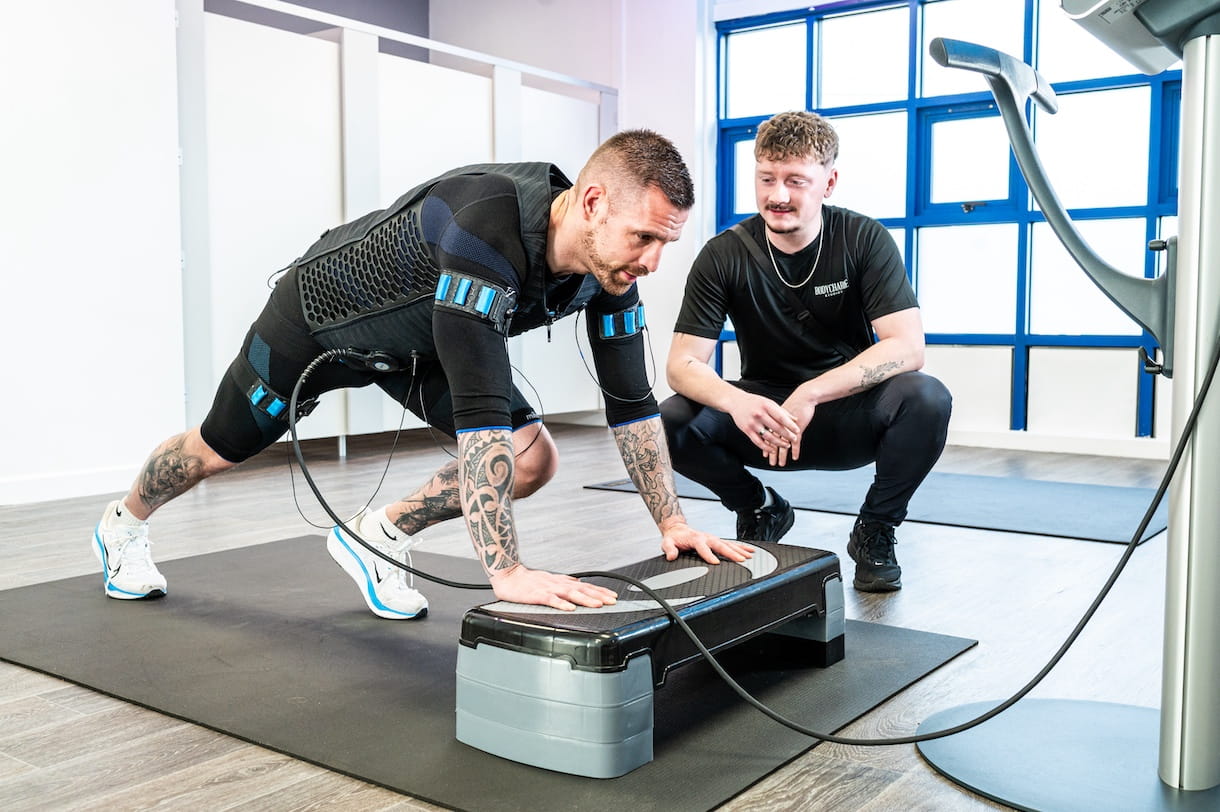
EMS (Electrical Muscle Stimulation) training is considered as an excellent tool for sports performance enhancing strength, explosive power and endurance by activating more muscle fibres. It is often used by used professional atheletes as a supplementary tool and reduces muscle imbalances without heavy joint loading to improve overall biomechanical fitness and the proactive prevention of injuries. It is particularly good for sports performance as it activates up to 90% of muscle fibres, far surpassing the 50-60% typically engaged in traditional workouts. It also contracts the muscles 85 times per second, whereas a repetition in a traditional workout involves a single cycle of muscle contraction and extension, and activates more muscle fibres (including fast twitch) that traditional training.
EMS Training is a whole-body training method that combines the electric activation of muscle fibres with simple and targeted body weight exercises. Using medically certified equipment, it is carried out under the guidance and instruction of a certified trainer in a private session designed for a maximum of 2 persons. This targeted approach can be easily tailored to meet individual goals, creating a compelling and highly effective training program. Every studio also features an InBody full body health scanner allowing sports professionals to assess overall health and monitor the effectiveness of treatments or training programmes.
Please see EMS Training section in Science & Benefits for more detail.
Benefits of InBody Composition Scans
- Detailed Metrics – Get accurate data on body fat percentage, lean mass, visceral fat, hydration, and more.
- Performance Optimization – Identify ideal muscle-to-fat ratios for specific sports.
- Injury Prevention & Recovery – Monitor muscle symmetry, detect imbalances, and use baselines to ensure full recovery from injuries.
- Nutrition & feedback – Verify if diet/training is effective and adjust accordingly.
- Targeted Development – Pinpoint weak areas and balance muscle development across different body regions.
- Long-term Progress Tracking – Set a baseline and measure changes over time to ensure progress toward goals.